
[vc_row][vc_column width=”1/2″][vc_column_text]
SIGNS AND SYMPTOMS FOR POSSIBLE ROOT CANAL THERAPY:
- An abscess (or pimple) on the gums
- Sensitivity to hot and cold
- Severe toothache pain
- Swelling and/or tenderness
Occasionally, you won’t have any symptoms.[/vc_column_text][/vc_column][vc_column width=”1/2″][vc_column_text]
REASONS FOR ROOT CANAL THERAPY:
- Decay reaching the tooth pulp (the living tissue inside the tooth).
- Infection or an abscess developing inside the tooth or at the root tip.
- Injury or trauma to the tooth such as a crack in the tooth
[/vc_column_text][/vc_column][/vc_row][vc_row][vc_column][vc_column_text]
[/vc_column_text][vc_column_text]
WHAT DOES ROOT CANAL THERAPY INVOLVE?
A root canal procedure requires one or more appointments and can be performed by a dentist or endodontist (a root canal specialist).
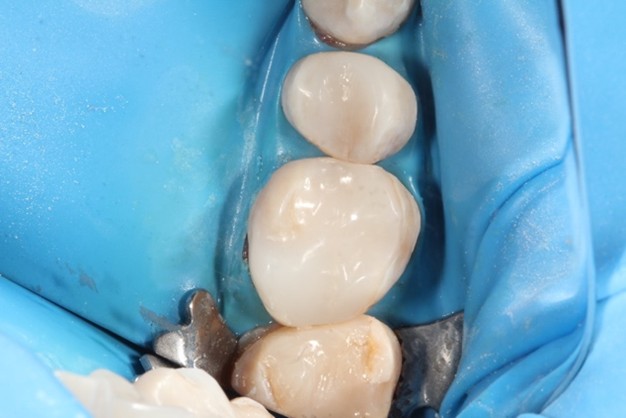
While the tooth is numb, an access opening is made on top of the tooth and a series of root canal files are placed into the opening, one at a time, removing the pulp, nerve tissue, and bacteria If tooth decay is present, it will also be removed with special dental instruments, the pulp chamber is cleaned and disinfected and allowed to heal.
Once the tooth is thoroughly cleaned, it will be sealed with either a permanent filling or, if additional appointments are needed, a temporary filling will be placed.
At the next appointment, usually a week later, the roots and the inside cavity of the tooth will be filled and sealed with special dental materials.
After the initial root canal appointment there may be some discomfort for one or two days but this will quickly improve.
We give you care instructions after each appointment. Good oral hygiene practices and regular dental visits will aid in the life of your root canal treatment.[/vc_column_text][/vc_column][/vc_row]